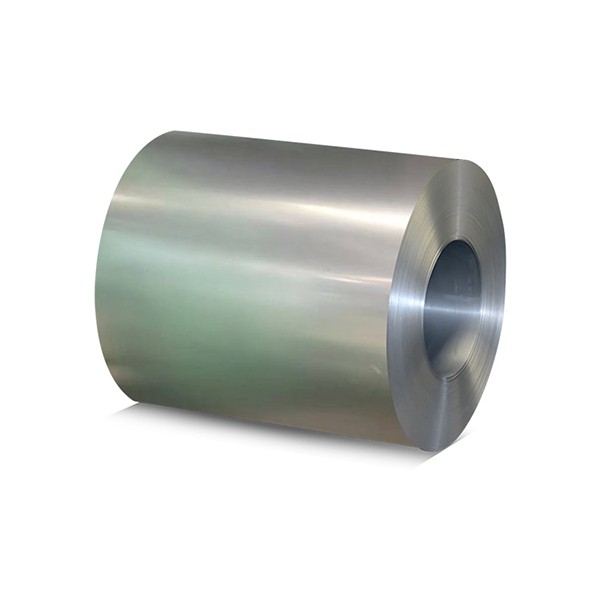
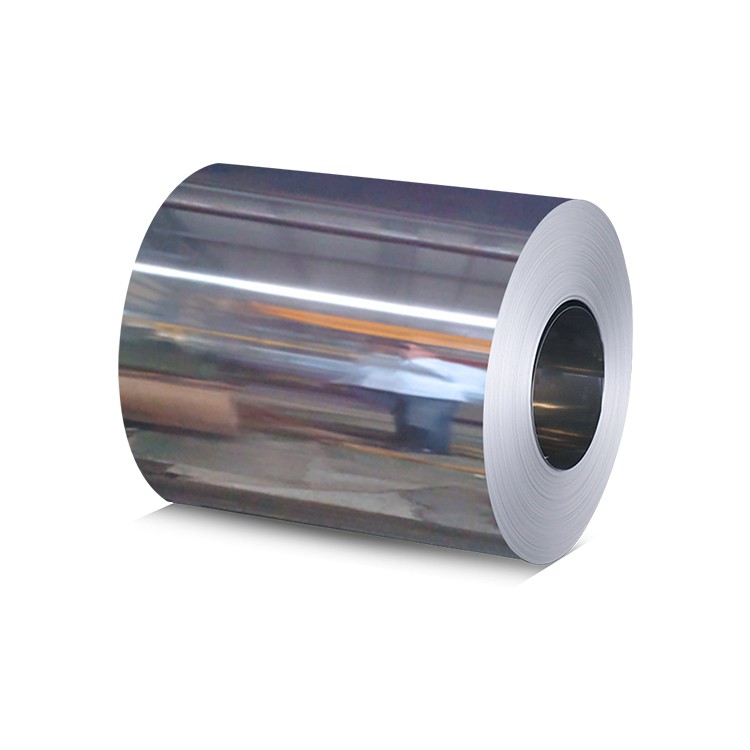
Why are grade 439 and 304 stainless steels considered ideal materials for automotive exhaust system heat insulation? What are the differences between them? Let's explore this together with the team at Grand Metal.

Before exploring why Grade 439 and 304 stainless steels are ideal choices for automotive exhaust systems, it is essential to understand the specific requirements these systems impose on metal materials.

We all know that the exhaust systems of traditional internal combustion engine vehicles are constantly exposed to the elements, making them vulnerable to harsh conditions such as moisture, salt, and chemical corrosives. Consequently, corrosion and rust resistance is a primary requirement for the metals used to manufacture these systems.
Exhaust gases from automotive exhaust systems reach temperatures as high as 750–950°C, and the metal must remain undeformed under such high-temperature conditions.
We all know that an excessively heavy exhaust system can negatively impact a vehicle's overall fuel consumption; therefore, weight reduction is a key factor to consider in the design of automotive exhaust systems.
Easy to form, stamp, cut, or weld, and adaptable to various custom designs and production lines.
When considering the material requirements for automotive exhaust systems, it becomes evident that stainless steel is an ideal choice; however, among the many available grades, why are grade 439 and 304 stainless steels the preferred options?


Currently, ferritic stainless steel (such as grade 439) is the most widely used metal material for automotive exhaust systems. Compared to austenitic stainless steel (such as grade 304), it offers lower costs, a lower coefficient of thermal expansion, and superior thermal conductivity, resulting in better performance under repeated thermal cycling. The following is a comparison of key specifications for 439 and 304 stainless steels:
| Grade | 439 (Ferritic Stainless Steel) | 304(Austenitic Stainless Steel) |
| Heat resistance | Maximum operating temperature up to 850°C | Service temperature limit below 800°C |
| High-temperature oxidation resistance | In an oxidizing atmosphere above 850°C, its oxidation resistance is superior to that of 304. | In an oxygen environment at 950°C, the oxide scale formed on the surface spalls off, leading to a sharp increase in the oxidation rate. |
| Corrosion resistance | Equivalent or close to 304 | Excellent; superior to 439. |
| Mechanical properties | The maximum operating temperature can reach 890°C. | The maximum operating temperature is approximately 710°C. |
| Coefficient of thermal expansion | Lower (approximately 11 µm/m-K) | Higher (approximately 17 µm/m-K) |
| Thermal conductivity | Better (approximately 25 W/m-K) | relatively low (approximately 16 W/m·K) |
| Material costs | Mid-range, good value for money. | Highest grade; used for high-end or specific components. |
By comparing the key properties of 439 and 304 stainless steel, it is evident that both are ideal materials for manufacturing automotive exhaust systems.

Temperatures here are highest, reaching 750–950°C. Priority is given to resistance against high-temperature oxidation and thermal fatigue. In addition to Grade 304, specially designed high-temperature resistant ferritic stainless steels—such as Grade 439—are common choices.
Operating temperatures are generally below 600°C, but the component is susceptible to corrosion from condensate. Material selection requires balancing corrosion resistance and cost; Grade 439 is a preferred choice.
Operating temperatures are moderate, with requirements for resistance to high-temperature oxidation and thermal fatigue. Grade 439 stainless steel is an ideal material for this application due to its excellent overall performance.
As an aesthetic component, it must maintain a good appearance in addition to offering corrosion resistance. Grade 304 stainless steel is the preferred choice due to its outstanding corrosion resistance and resistance to discoloration.

Grades 439 and 304 are ideal stainless steels for automotive exhaust systems, though the most suitable choice depends on the specific component, performance requirements, and budget. Grade 439 is the ideal choice for a better balance between performance and cost, whereas Grade 304 is the superior option if the priority is optimal performance, aesthetics, or suitability for harsh environments.


By continuing to use the site you agree to our privacy policy Terms and Conditions.