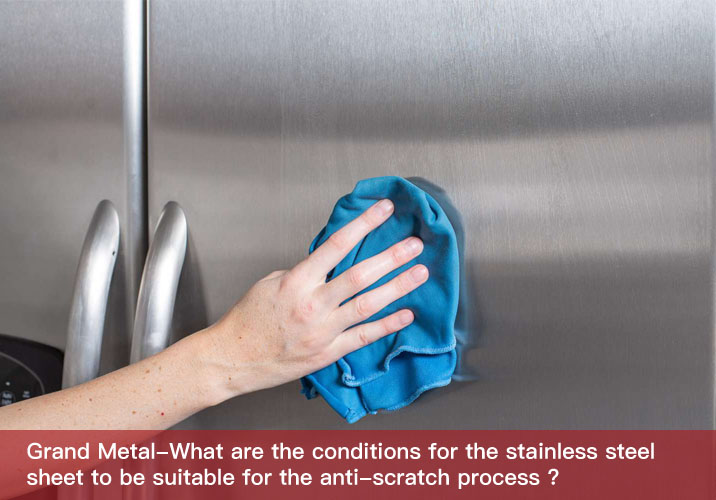
What materials will be trending in kitchen design in 2026? You might suggest tiles, wood panels, or similar options; however, I would tell you that the answer is stainless steel—specifically, scratch-resistant stainless steel. Why are scratch-resistant stainless steel design elements gaining popularity in kitchens? And how does this material differ from standard stainless steel?

Scratch-resistant stainless steel which is a scratch-resistant coating on stainless steel surface, thus providing stainless steel protection against scratch or damage.

Unlike standard stainless steel, scratch-resistant stainless steel is produced by applying a thicker, protective anti-scratch coating to the surface of standard stainless steel—typically through an electroplating process commonly referred to as "chrome plating." This process significantly enhances its resistance to scratching and abrasion; conversely, standard stainless steel, lacking the protection of this coating, remains susceptible to dents and scratches.


The kitchen is a unique environment with extremely high demands regarding durability, hygiene, and aesthetics; the inherent properties of scratch-resistant stainless steel make it perfectly suited to meet these challenges.
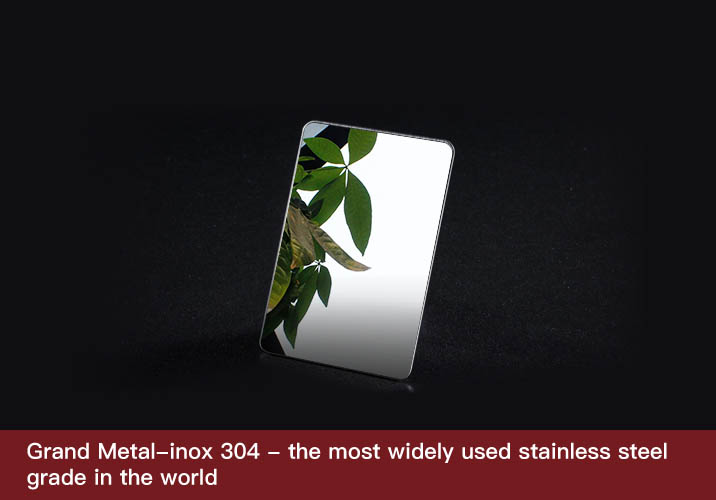
First and foremost, the kitchen is a space dedicated to food preparation, where frequent use inevitably leads to the proliferation of various bacteria. However, scratch-resistant stainless steel is manufactured using food-grade 304 stainless steel as its base material. Furthermore, the surface of stainless steel is dense and impermeable, preventing bacteria and mold from surviving or reproducing on it—thereby endowing it with exceptional antibacterial properties.
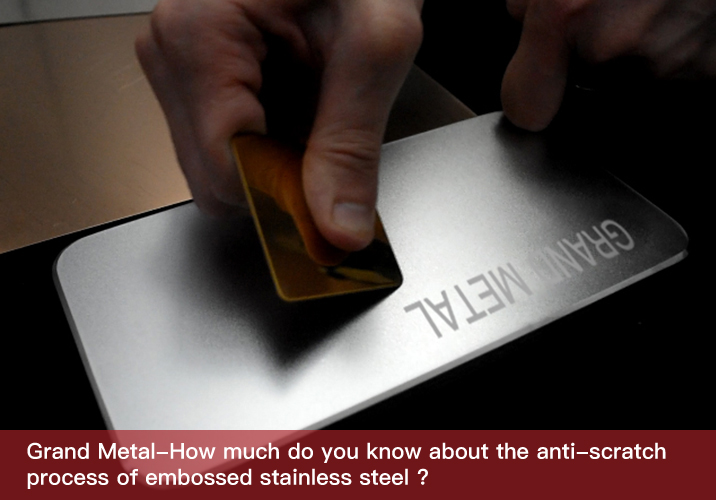
The kitchen serves as a "battlefield" frequently traversed by knives, cookware, and steel wool scrubbers. Ordinary countertops or sinks will quickly become covered in scratches after only a short period of use. In contrast, scratch-resistant stainless steel—acting as a built-in, invisible protective shield—effectively minimizes the direct contact area between hard objects and the steel surface, thereby significantly enhancing its resistance to scratching.
Kitchens are frequently exposed to hot pots, hot dishes, and acidic or alkaline condiments such as soy sauce, vinegar, and lemon juice. While stainless steel is inherently a heat-resistant material, scratch-resistant stainless steel (particularly variants featuring electroplated hard chrome or a high-quality 304 base) offers superior corrosion resistance. It effectively withstands the challenges typically encountered in a kitchen environment—specifically, damage caused by excessive heat and the corrosive effects of acidic or alkaline condiments.
Scratch-resistant stainless steel is available in a wide variety of finishes, offering expanded possibilities for kitchen design. It enables a cohesive, uniform aesthetic—featuring matching colors and textures—across countertops, sinks, cooktops, and even range hoods and refrigerators. This allows for the creation of a unified kitchen environment that exudes a distinctly modern, industrial, or minimalist style.
For homeowners, selecting a material often comes with the expectation that it will last for a decade or more. A kitchen designed with scratch-resistant stainless steel can—barring extreme physical abuse—last for the entire lifespan of the building itself; unlike wood-based materials, it will not warp due to moisture, nor will it crack like natural stone.

While stainless steel elements appear in a wide variety of kitchen designs, the specific choice to use "scratch-resistant" stainless steel is invariably linked to scenarios where surface scratching needs to be avoided. These scenarios include:
This is the most popular application for scratch-resistant stainless steel. You can opt to seamlessly weld the sink directly into the countertop, thereby completely eliminating any crevices where dirt and grime might accumulate. This approach is not only aesthetically pleasing but also makes cleaning extremely convenient. Surfaces treated with finishes such as sandblasting, brushing, or embossing are particularly effective at resisting scratches from knives and impacts from cookware.

Scratch-resistant stainless steel is also an ideal material for constructing kitchen islands. It facilitates a versatile, multi-functional design that integrates food preparation, washing, and dining areas—providing an open-plan kitchen with a central hub that is both durable and stylish.

The sink itself can also be crafted from stainless steel featuring a textured, embossed finish. However, stainless steel sinks specifically designed with scratch-resistant textures offer more than just visual appeal; crucially, they significantly enhance scratch resistance. Even when subjected to the repeated friction of pots, pans, and dishes, they retain their pristine appearance for years to come.

Designing kitchen cutting boards using scratch-resistant stainless steel not only doubles their resistance to scratches but also ensures an exceptionally long service life.


Within the complex kitchen environment—characterized by "high wear and tear, heavy soiling, and intense heat"—the advent of scratch-resistant stainless steel has addressed four core pain points: aesthetics, health and hygiene (being antimicrobial and easy to clean), practicality and safety (offering heat and corrosion resistance), and long-term durability. Furthermore, it not only fulfills the essential functional requirements of kitchen hardscaping but also aligns with the prevailing aesthetic trends in modern home design; consequently, it is widely regarded by many designers and homeowners as the ideal material choice for kitchen designs in 2026.

By continuing to use the site you agree to our privacy policy Terms and Conditions.