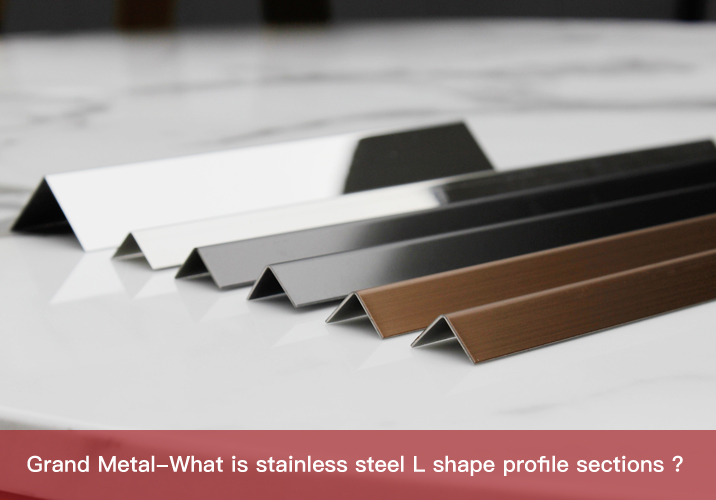
Self-adhesive stainless steel strip is a thin, flexible strips of stainless steel with a high-performance, pressure-sensitive adhesive backing protected by a release liner.It combines the decorative and durable qualities of stainless steel with the easy installation of self-adhesive tape, making it an indispensable decorative material in the renovation industry. But do you know the correct way to use it?
Proper use of self-adhesive stainless steel strip is key to ensuring their aesthetic appeal, durability, and strength. While convenient, improper application can easily lead to problems such as detachment, bubbling, and misalignment. Therefore, Grand Metal will explain the correct use of self-adhesive stainless steel strips from four aspects: preparation, measurement and cutting, precise application, and final reinforcement.

High-purity industrial alcohol (or acetone), lint-free cloth (such as eyeglass cleaning cloth, kitchen paper)
Measuring tape, right-angle ruler, pencil, sharp scissors or angle grinder (with metal cutting blade)
Masking tape, scraper (hard plastic sheet), rubber mallet, heat gun
Gloves (to prevent cuts and fingerprints)
Ensure the surface to be bonded is absolutely clean, dry, and free of oil. Wipe thoroughly with alcohol until no stains remain on the cloth. Any dust or oil stains will severely affect the adhesion.
The surface to be bonded must be smooth and flat. If the wall or furniture surface has bumps, particles, or old adhesive residue, it needs to be sanded smooth first.
Ensure the surface is completely dry, especially when working in a damp environment.

Use a measuring tape to precisely measure the required adhesive length. It is recommended to allow an extra 2-3 cm for adjustments.

Straight Line Cutting: Use scissors to cut along a straight line. Be careful to protect the protective film on the trim surface.

Angle Cutting (Outside/Inside Corners): This is the more challenging part.

This is the most aesthetically pleasing method. It requires an angle grinder or a professional corner cutter to precisely cut a 45-degree angle. After cutting, lightly smooth any burrs with a file.

If tools are limited, for less conspicuous areas, one strip can overlap the other, but this will compromise the aesthetics.
It is recommended to allow a slightly longer length for the self-adhesive stainless steel strips, allowing for adjustments after cutting.

Tear off about 10-15 cm of the adhesive backing. Do not tear it all off at once.

Align the stainless steel strip with the pre-positioned area and apply this small section.
After confirming the position is correct, use masking tape to horizontally secure the applied section, temporarily adhering the stainless steel trim to the substrate. This prevents the trim from shifting or sagging when applying the subsequent sections.

Slowly and evenly peel off the remaining adhesive backing with one hand, while simultaneously using a scraper to firmly scrape and press the stainless steel strip, especially in the center, ensuring full contact between the adhesive and the substrate.

Maintain a consistent speed and avoid sudden stops to prevent air bubbles or wrinkles.
Flat bends: For curved surfaces, use a heat gun or hairdryer to heat the adhesive backing of the self-adhesive stainless steel strips (be careful not to overheat) to soften it, making it easier to bend and shape.
90-degree right angle: Use the 45-degree angle splicing method mentioned earlier. When pasting, paste one side first, then the other side, to ensure a tight and aesthetically pleasing seam.

After the entire stainless steel trim is pasted, wrap a soft cloth around a scraper (to prevent scratching the surface) and press firmly several times from beginning to end to ensure no air bubbles remain.

Carefully peel off the masking tape used for positioning.

After pasting, do not touch or pull the self-adhesive stainless steel strips for 24-48 hours to allow the adhesive to reach maximum strength. Avoid contact with water and chemical solvents.

To maximize the advantages of self-adhesive stainless steel strips and achieve satisfactory decorative and protective results, it is essential to remember these four verification steps.
By continuing to use the site you agree to our privacy policy Terms and Conditions.